On April 15, 2026, ahead of the 21st Xiangya International Diabetes Immunology Forum (Xiangya Conference on Diabetes Immunology), the Department of Endocrinology and Metabolism, Xiangya School of Medicine, Central South University jointly with the China Ethnic Health Association and the National Clinical Research Center for Endocrine and Metabolic Diseases successfully held the 2026 training course Frontiers of Immunometabolism in Conference Room 5, 5th Floor, Medical Education Building, The Second Xiangya Hospital.
As the first special training course launched in the 20 years since the founding of the Xiangya Forum, this program aims to build a systematic academic exchange platform for cutting-edge metabolism and immunology research. Nearly 60 participants from across China gathered in Changsha, including physicians, university teachers, scientific researchers, postgraduates and enterprise technical staff specializing in endocrinology, metabolic diseases, immunology, basic medicine and other related clinical fields. They conducted in-depth learning and exchanges around core scientific issues, key research directions and cutting-edge technological progress in immunometabolism.
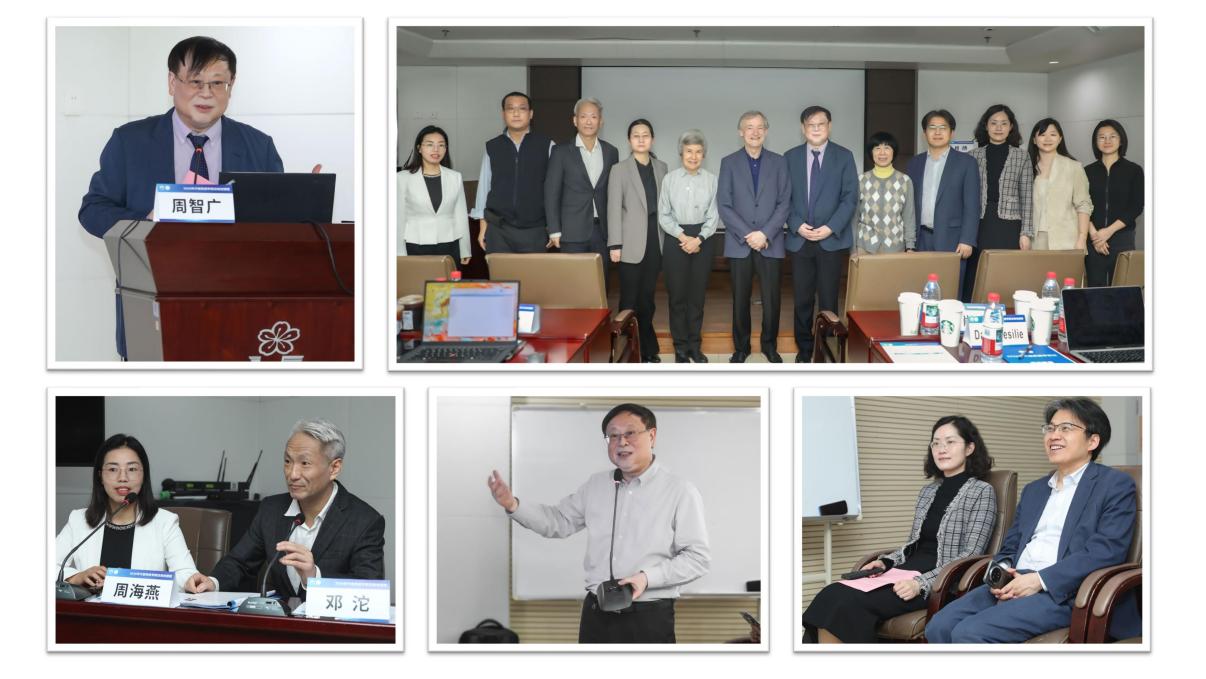
The course officially kicked off at 8:30 a.m. Xiao Yang, Vice President of The Second Xiangya Hospital, presided over the opening session. She briefly introduced the preparation background and academic positioning of the course, and extended a warm welcome to domestic and foreign guest speakers and all participants. Afterwards, Professor Zhou Zhiguang, Director of the National Clinical Research Center for Endocrine and Metabolic Diseases and Honorary Director of the Department of Endocrinology and Metabolism, delivered opening remarks. He systematically illustrated that immunometabolism serves as a vital bridge linking endocrine metabolic disorders, immune imbalance, autoimmune diseases and chronic inflammatory illnesses. He particularly pointed out that this training program, the first of its kind in the two decades of the Xiangya Forum, had undergone long deliberation and elaborate preparation. It bears far-reaching significance for boosting interdisciplinary integration, meeting clinical demands and cultivating young talents.
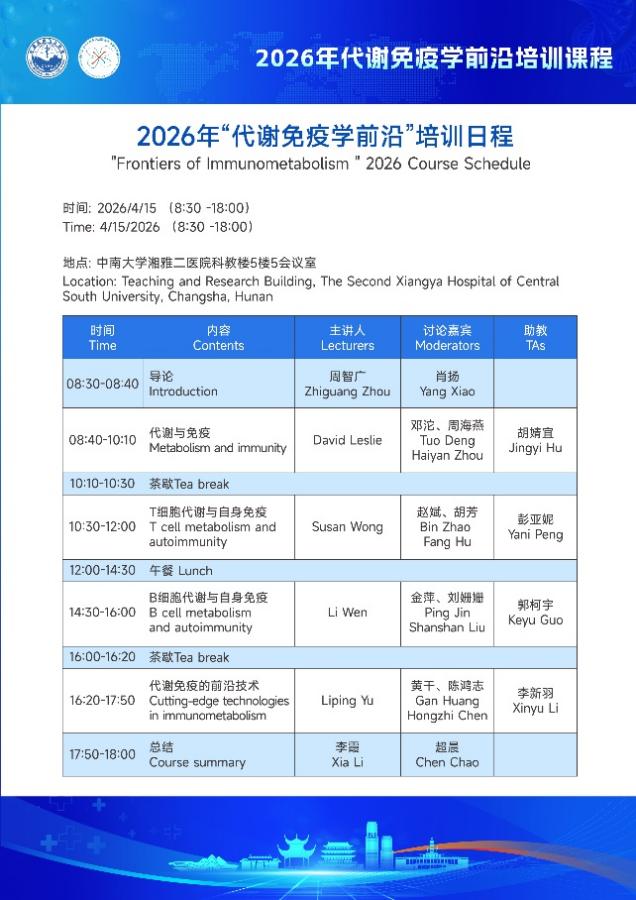
Centered on the globally hot interdisciplinary field of "metabolism and immunity", the training invited four world-renowned experts to deliver special lectures: Professor David Leslie from the University of London (UK), Professor Susan Wong from Cardiff University (UK), Professor Li Wen from Yale University (USA), and Professor Liping Yu from the University of Colorado (USA). A team of discussion panelists and teaching assistants jointly supported course organization and academic interaction. Adopting a design combining in-depth thematic lectures with group discussions, the course constructed a systematic learning framework covering basic theories, disease mechanisms, key cell populations and research methodologies, bringing participants a high-level, international and practice-oriented training program on immunometabolism.
Distinguished Experts Gather to Build a Systematic Cognition Framework of Immunometabolism
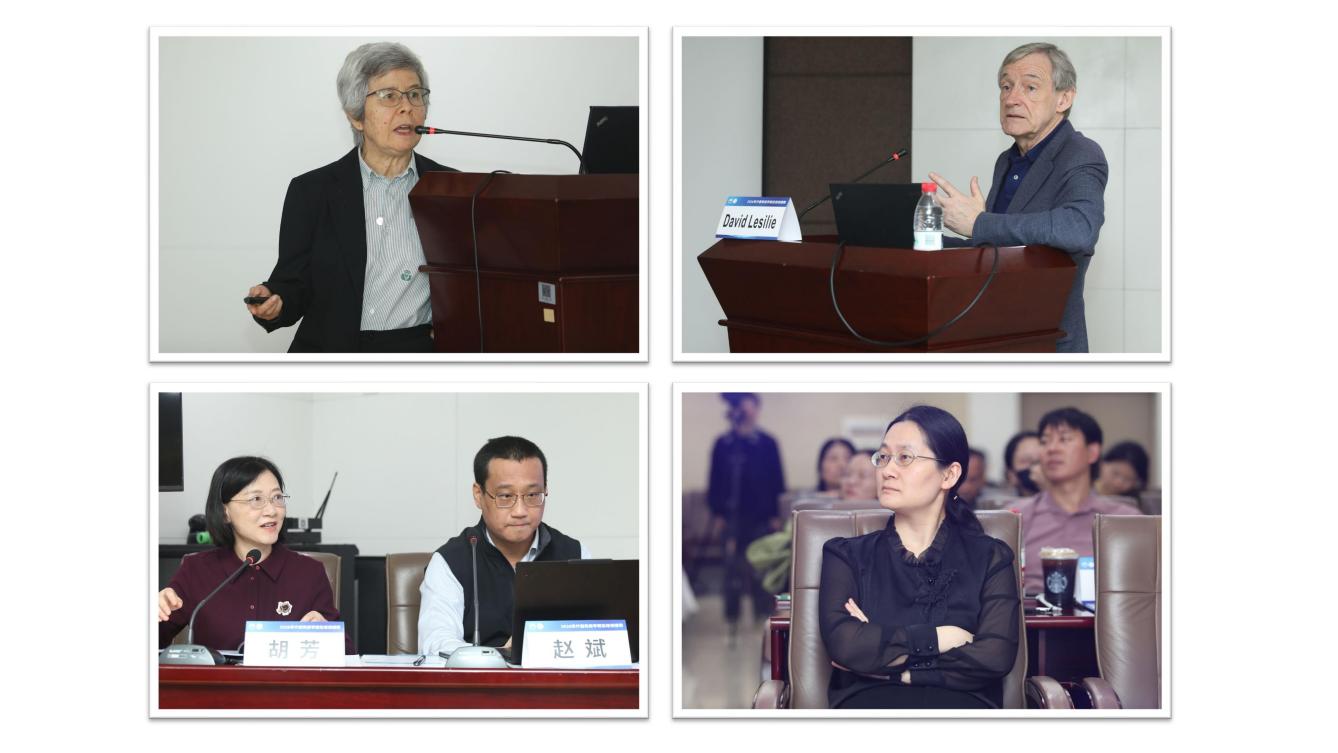
In the opening keynote speech, Professor David Leslie delivered a talk titled Metabolism and Immunity. He systematically expounded the basic framework of crosstalk between metabolism and immunity, and deeply analyzed the dynamic correlations among energy metabolism, nutrient sensing, immune activation and inflammatory responses, helping participants form a holistic understanding of immunometabolism. Integrating theoretical depth with clinical relevance, the speech laid a solid foundation for the full-day training.
Later, Professor Susan Wong presented T Cell Metabolism and Autoimmunity. She highlighted the key role of T cell metabolic reprogramming in cell activation, differentiation, effector function maintenance and immune tolerance. Combined with research cases of autoimmune diseases, she systematically analyzed the links between abnormal T cell metabolism and disease onset and progression. Closely aligned with current hotspots in autoimmunity research, the lecture offered valuable inspiration to participants studying type 1 diabetes, systemic autoimmune disorders and immune regulation.
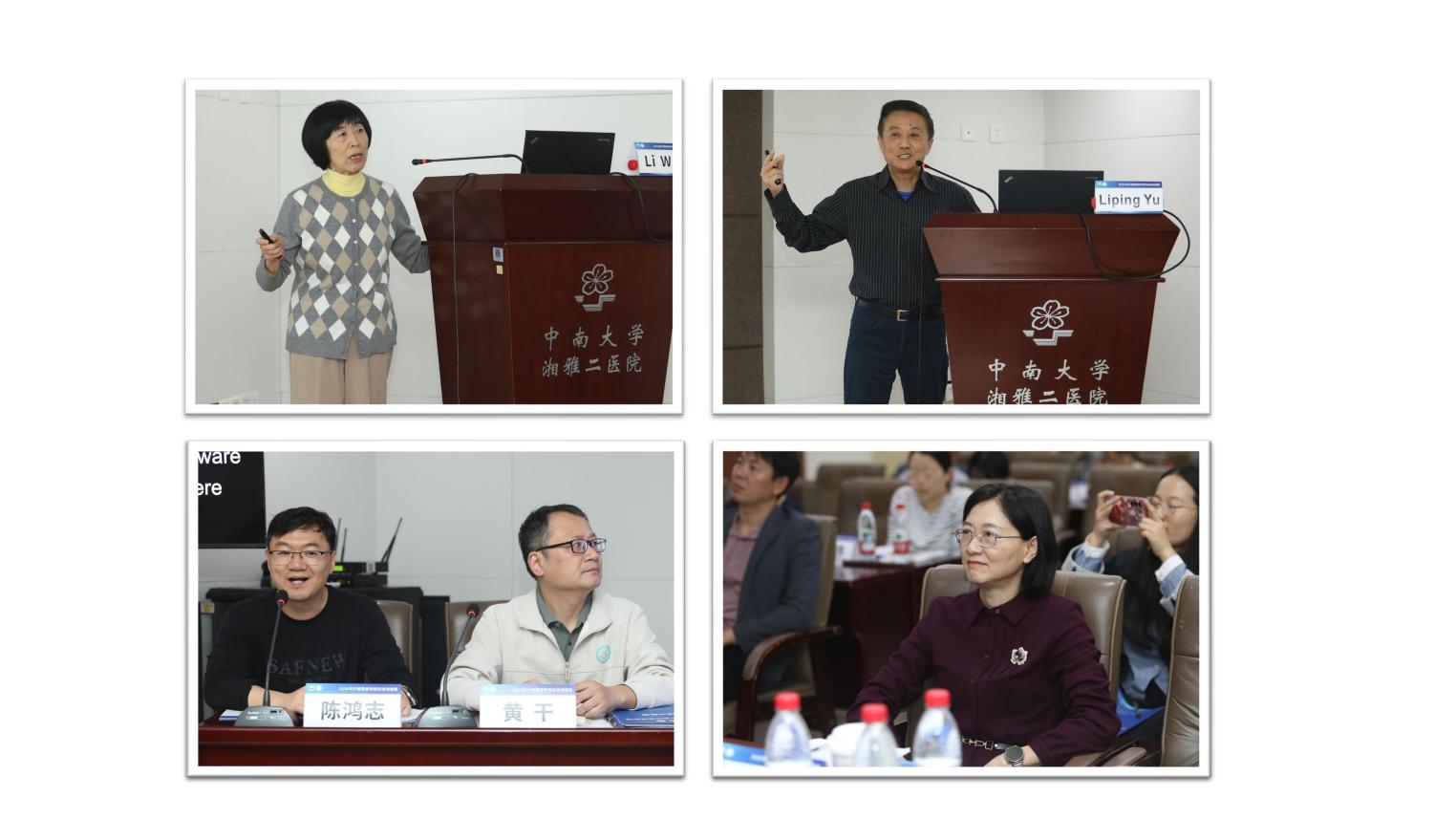
In the afternoon session, Professor Li Wen gave a presentation entitledB Cell Metabolism and Autoimmunity. From the perspectives of B cell activation, antigen presentation, plasma cell differentiation and autoantibody-mediated immune responses, she systematically explained the potential mechanisms and research value of B cell metabolic regulation in autoimmunity, further expanding participants’ understanding of immunometabolic regulatory networks.
The final lecture was delivered by Professor Liping Yu, whose topic was Cutting-edge Technologies in Immunometabolism. She focused on latest technological advances in this field and elaborated the application prospects of islet autoantibody detection in type 1 diabetes research and clinical translation. The speech illustrated the development trend of international cutting-edge methodologies for islet autoantibody assays, providing practical references for participants to design research projects, formulate technical routes and carry out high-quality research.
Integrating Global Vision with Local Platforms to Create High-quality Exchange Scenarios for Immunometabolism
With a tight yet well-organized schedule, the training consisted of four progressive modules: General Overview, T Cells, B Cells and Cutting-edge Technologies, forming a complete logical academic progression. The program first answered the core question of why metabolism and immunity should be studied as an integrated whole, then focused on key cell subsets of adaptive immunity, and finally extended to methodological innovation, fully reflecting the systematic and forward-looking features of interdisciplinary training.
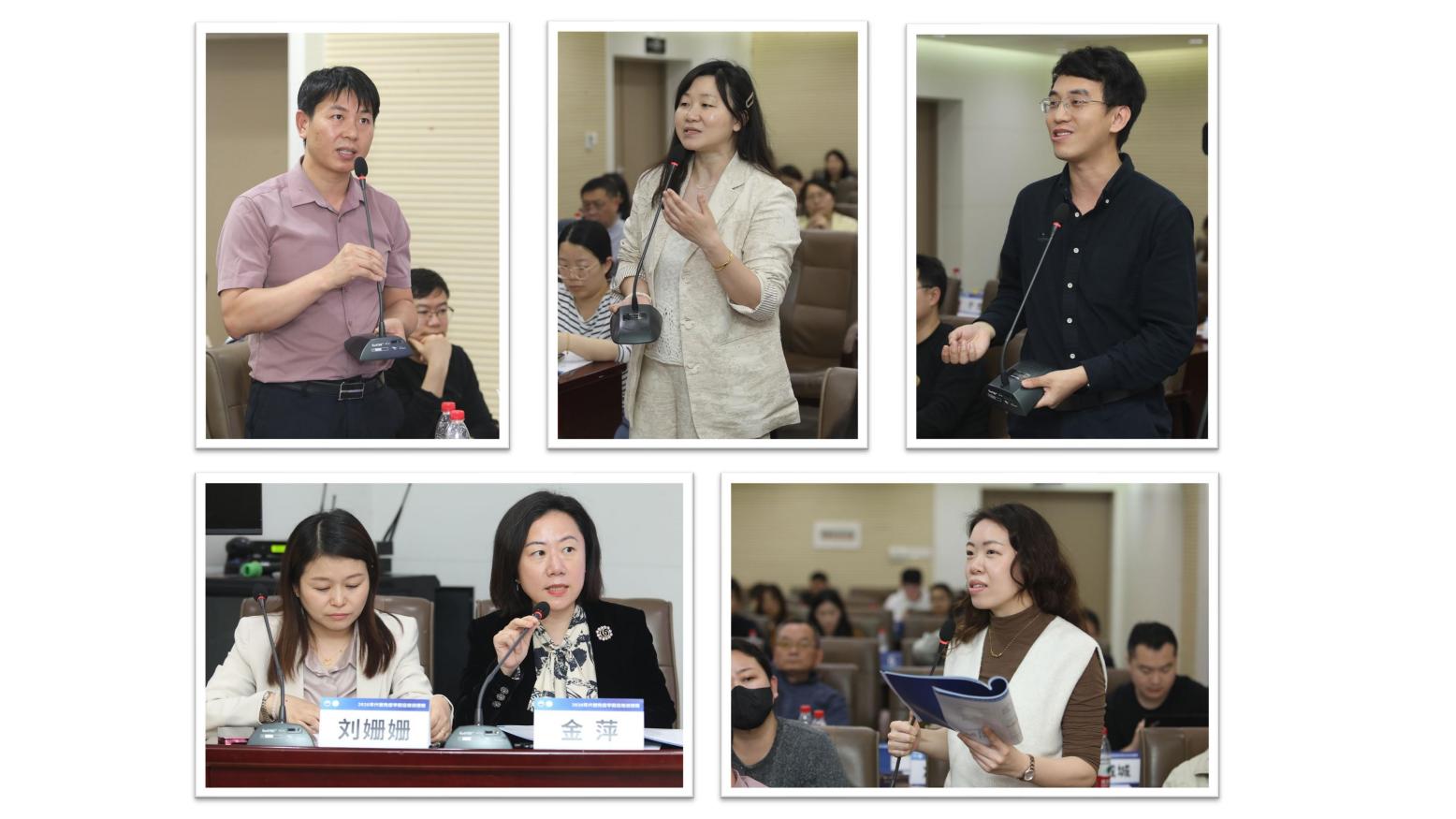
It is worth noting that discussants and teaching assistants took part in each thematic session in coordination. Through on-site Q&A, key point summarization and interactive communication, the course greatly enhanced participation and enlightening effects. The venue was filled with a vibrant academic atmosphere; participants raised questions enthusiastically, and experts provided detailed answers and extended discussions based on their own research experience, leading to thorough and constructive exchanges.
To optimize learning experience and knowledge absorption, simultaneous interpretation screens and printed training manuals were provided, creating favorable conditions for high-quality learning and communication under a bilingual teaching environment. These thoughtful arrangements not only guaranteed smooth running of the course, but also demonstrated the organizers’ dedication to standardized and professional academic training.
Participants commented that the training featured a clear theme, substantial content and complete structure, balancing theoretical depth and practical research demands. A young teacher from an outside university shared: "The course starts with the overarching framework of metabolism and immunity, then moves step by step to T cells, B cells and cutting-edge technologies. The logic is extremely clear and of great help to my follow-up research on immunometabolism."A clinician trainee said: "The simultaneous interpretation and printed materials make course content easier to grasp. Many viewpoints shared by the experts have greatly inspired me to update clinical thinking and expand research directions."
The Training Draws to a Close, While Interdisciplinary Integration and Talent Cultivation Forge Ahead
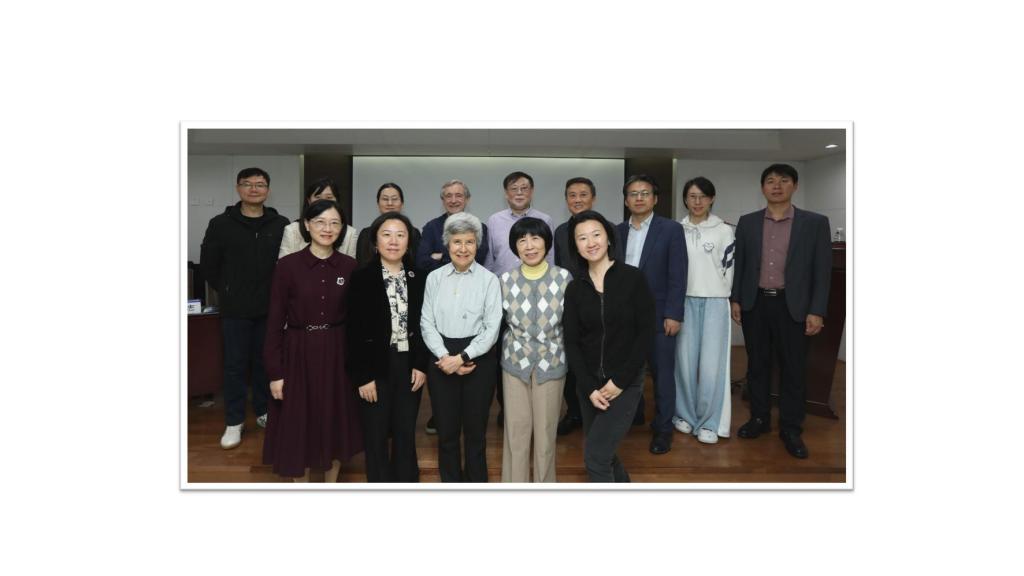
Relying on the resource strengths of the China Ethnic Health Association, the National Clinical Research Center for Endocrine and Metabolic Diseases and the Department of Endocrinology and Metabolism at Xiangya School of Medicine, this training showcased cutting-edge advances and talent cultivation potential in immunometabolism, and embodied the department’s responsibility to advance interdisciplinary integration, satisfy clinical needs and foster young talents.
Moving forward, the department will keep focusing on frontier directions of immunometabolism, continuously build high-level platforms for academic exchange and professional training, and promote in-depth integration of basic research, clinical practice and technological innovation, so as to inject fresh impetus into the research, diagnosis and treatment of endocrine, metabolic and immune-related diseases in China.
First Reviewer: Liu Hong, Cheng Wenwei
Second Reviewer: Li Ruijun
Final Reviewer: Huang Gengwen
Translator: Zeng Xiangni



