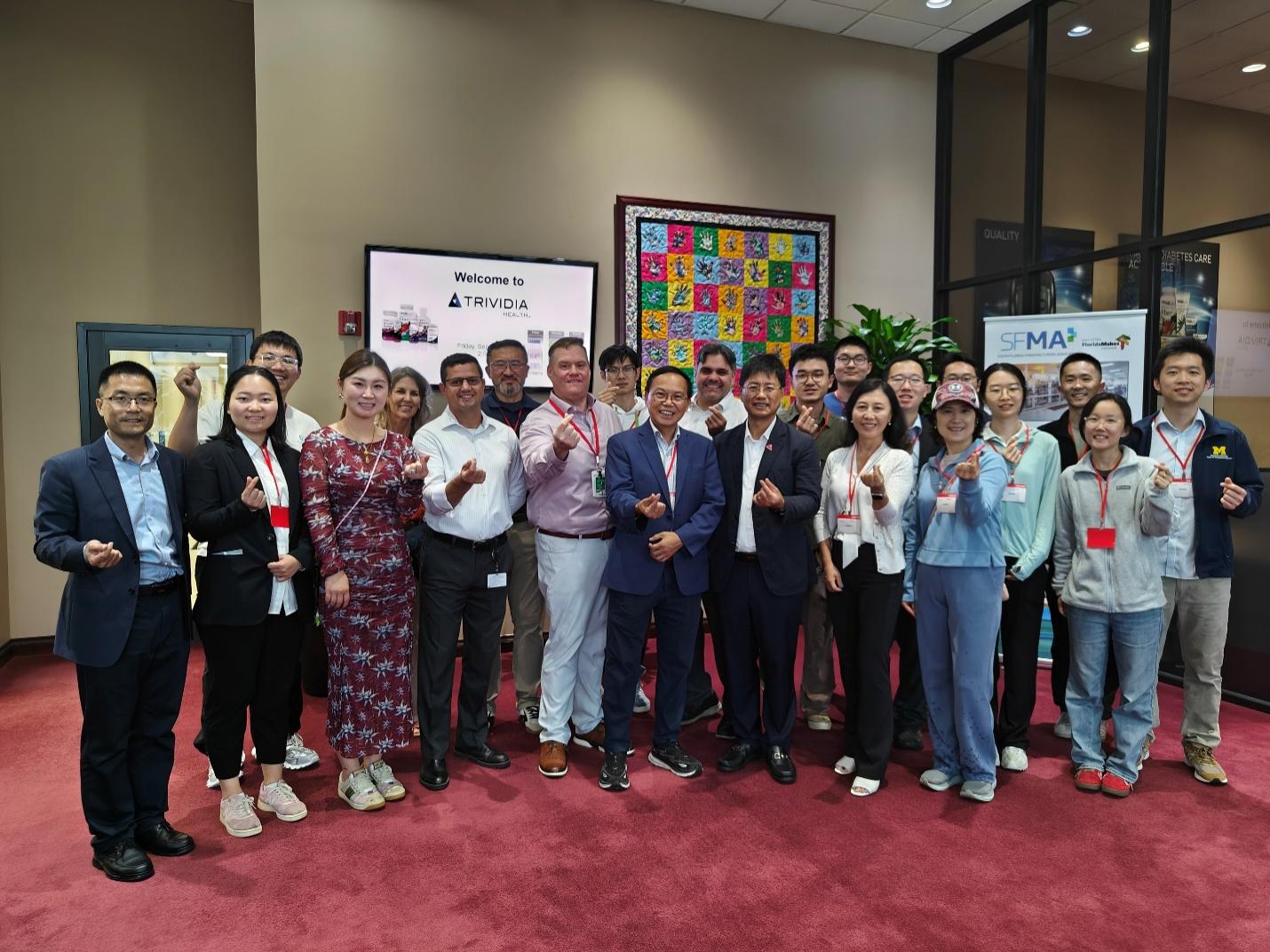
Recently, a team of teachers and students from the Central South University (CSU)-University of Michigan (U-M) MD+PhD Dual Degree Program and the “CSU Sinocare Study Abroad Fund” visited the global headquarters of Trividia Health, a subsidiary of Sinocare Inc., in Fort Lauderdale, Florida, USA. Li Shaobo, Chairman of Sinocare and Founder of the Hunan Sinocare Diabetes Charitable Foundation, and Li Xinyi, Vice Chairman of Sinocare and Chairperson of the Foundation, accompanied the delegation throughout the visit. Both sides conducted in-depth exchanges on medical innovation and talent cultivation.
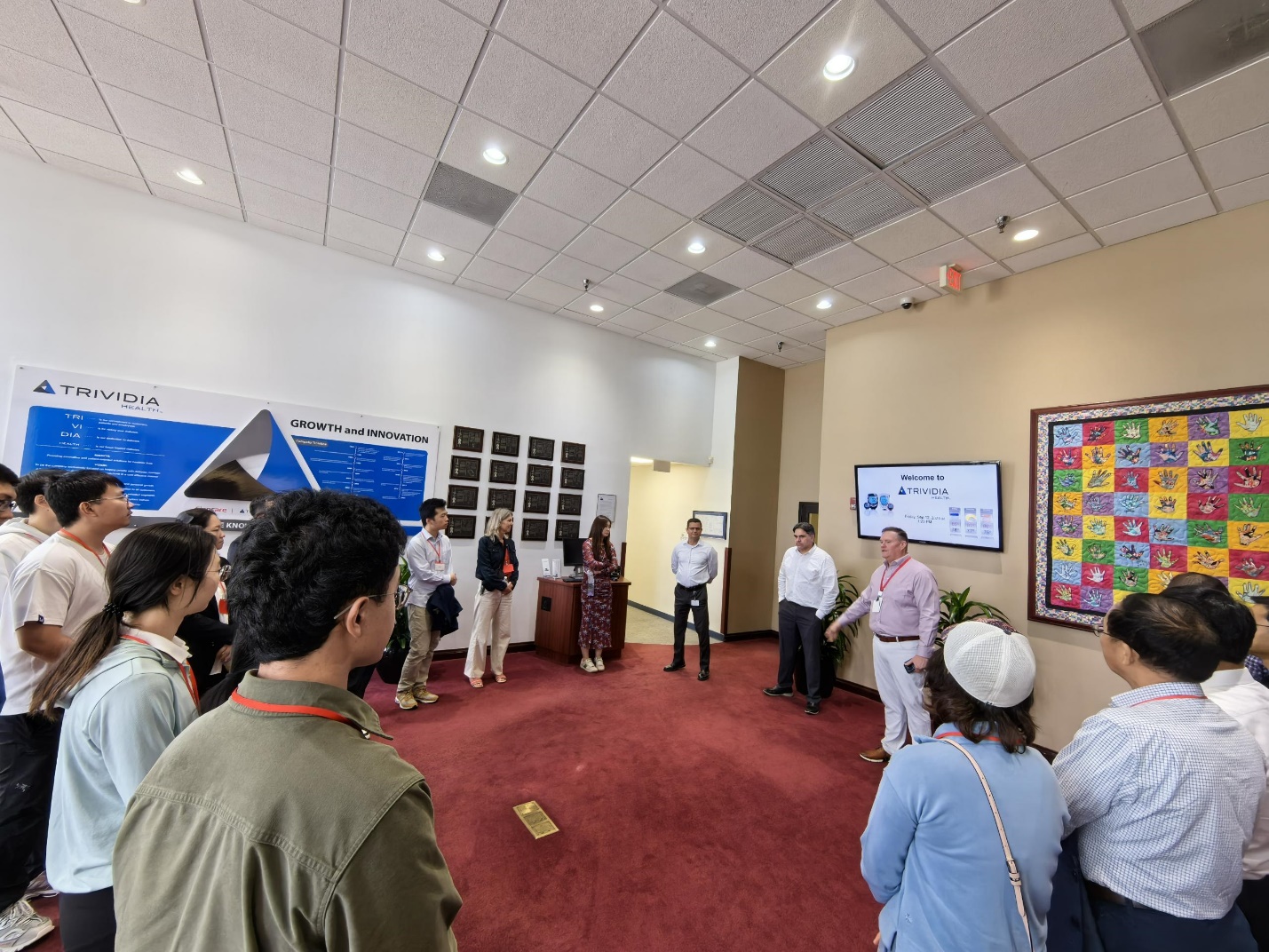
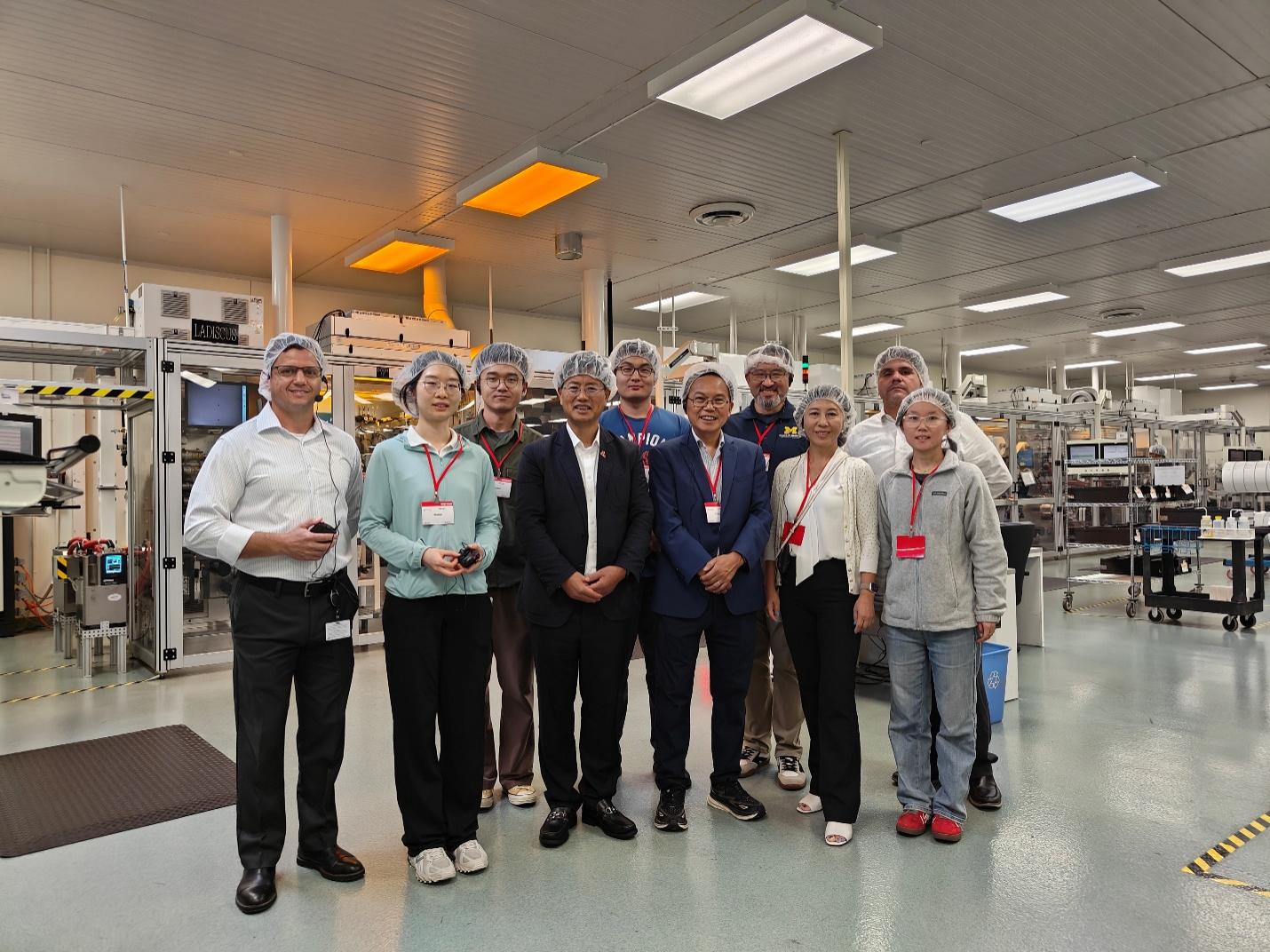
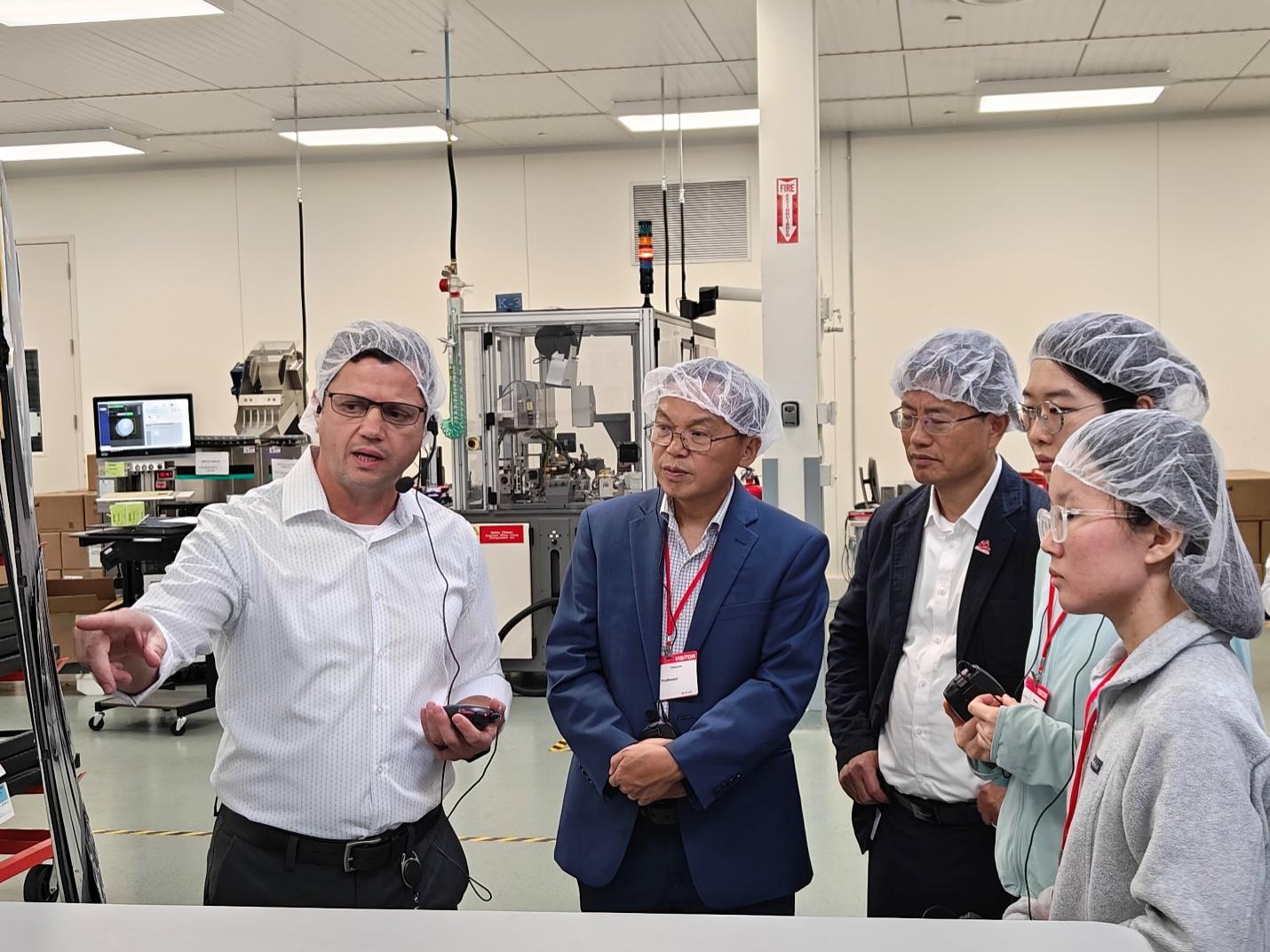
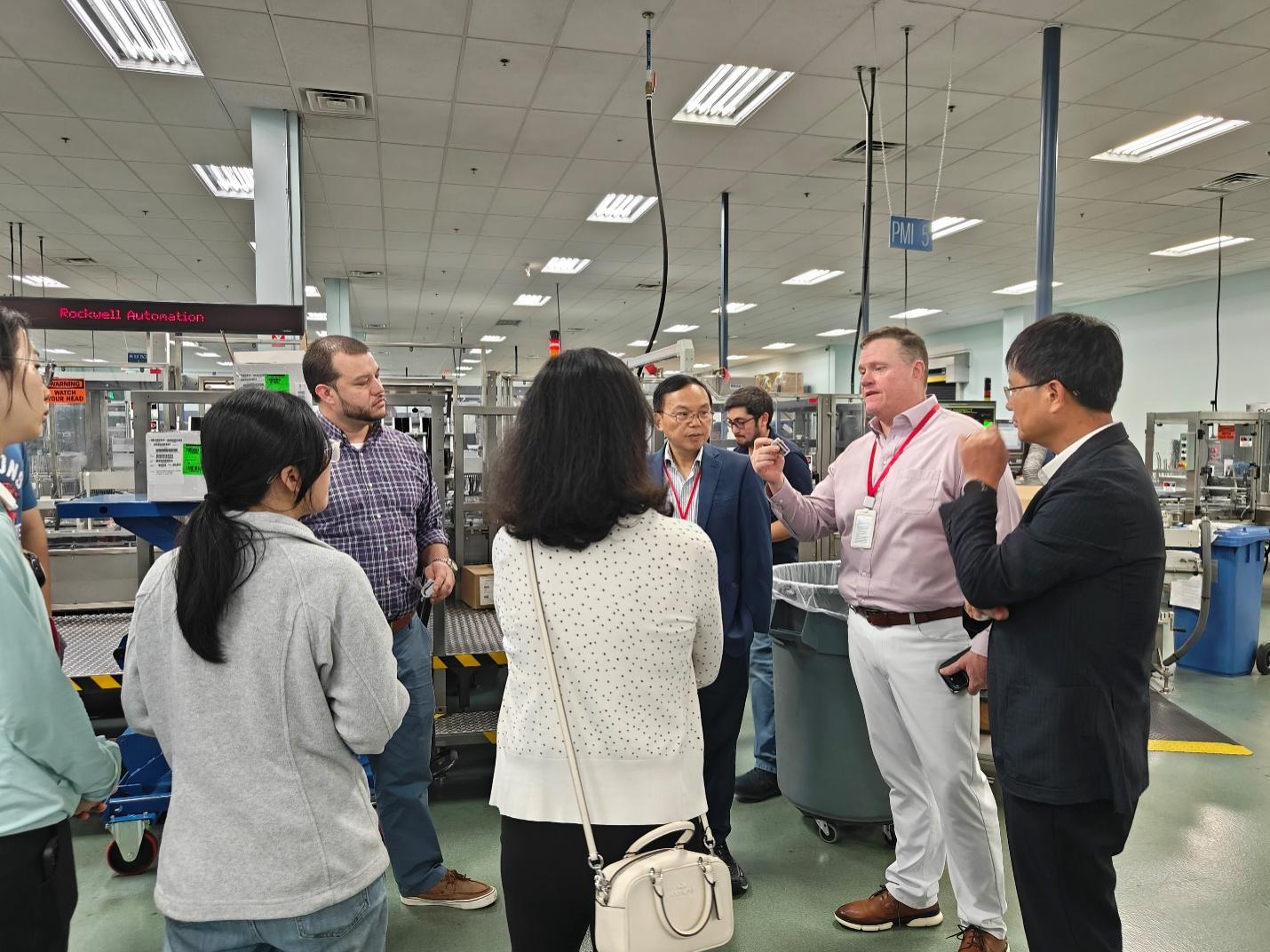
The visit commenced with a tour of Trividia’s core manufacturing park. The 16-member delegation, consisting of 5 teachers and 11 students, visited the production lines for blood glucose test strips and ketone test strips, observing for the first time the entire modernized manufacturing process. Every production procedure — from chemical reagent preparation, electrode etching and enzyme spraying, to precise lamination of multi-layer films, die-cutting and batch coding — is precisely monitored by advanced automated visual inspection equipment to ensure high product stability and accuracy. The Quality Control team conducts accuracy tests on each batch, guaranteeing consistent precision and reliable quality. The visit allowed students to intuitively recognize the precision and rigor of modern medical device manufacturing, as well as Sinocare’s leading strengths in large-scale intelligent production and standardized quality management.
During the exchange session, student representatives Liu Hongyu and Duan Saili delivered speeches. Liu Hongyu reviewed the role of philanthropic foundations in boosting medical education and the development of the MD+PhD program. Duan Saili shared her learning experience as a student from Xiangya School of Medicine at Central South University pursuing further studies at the University of Michigan. On behalf of all participants, the two students expressed sincere gratitude to the Sinocare Foundation and Chairman Li Shaobo.
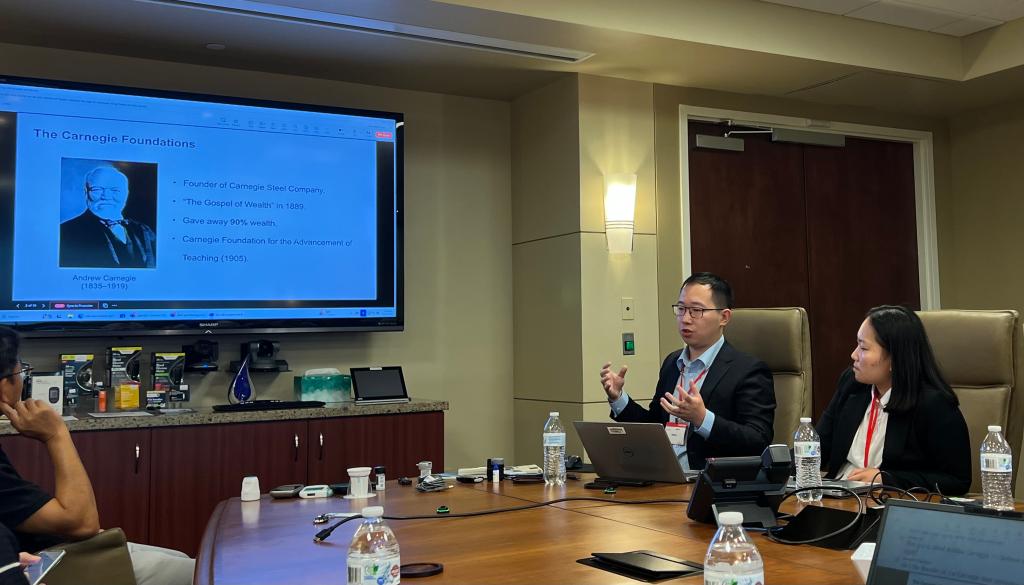
Subsequently, Trividia’s R&D and marketing teams introduced the company’s development journey and the technological evolution of blood glucose monitoring. The industry has advanced from early colorimetric methods to electrochemical detection, from manual user calibration to calibration-free technology, and from traditional finger-prick Blood Glucose Monitoring (BGM) to dynamic Continuous Glucose Monitoring (CGM), with future development focused on chronic disease data platforms and intelligent health management.
Thanks to continuous technological iteration, blood glucose meters have evolved from bulky, game-console-sized devices into ultra-portable wearable tools, shifting from hospital-only professional equipment to household devices. The original routine of multiple daily finger pricks has been replaced by wearable sensors capable of 15-day continuous monitoring. Such remarkable technological upgrades fully demonstrate the company’s strong innovation capacity and offered valuable insights for the visiting teachers and students.
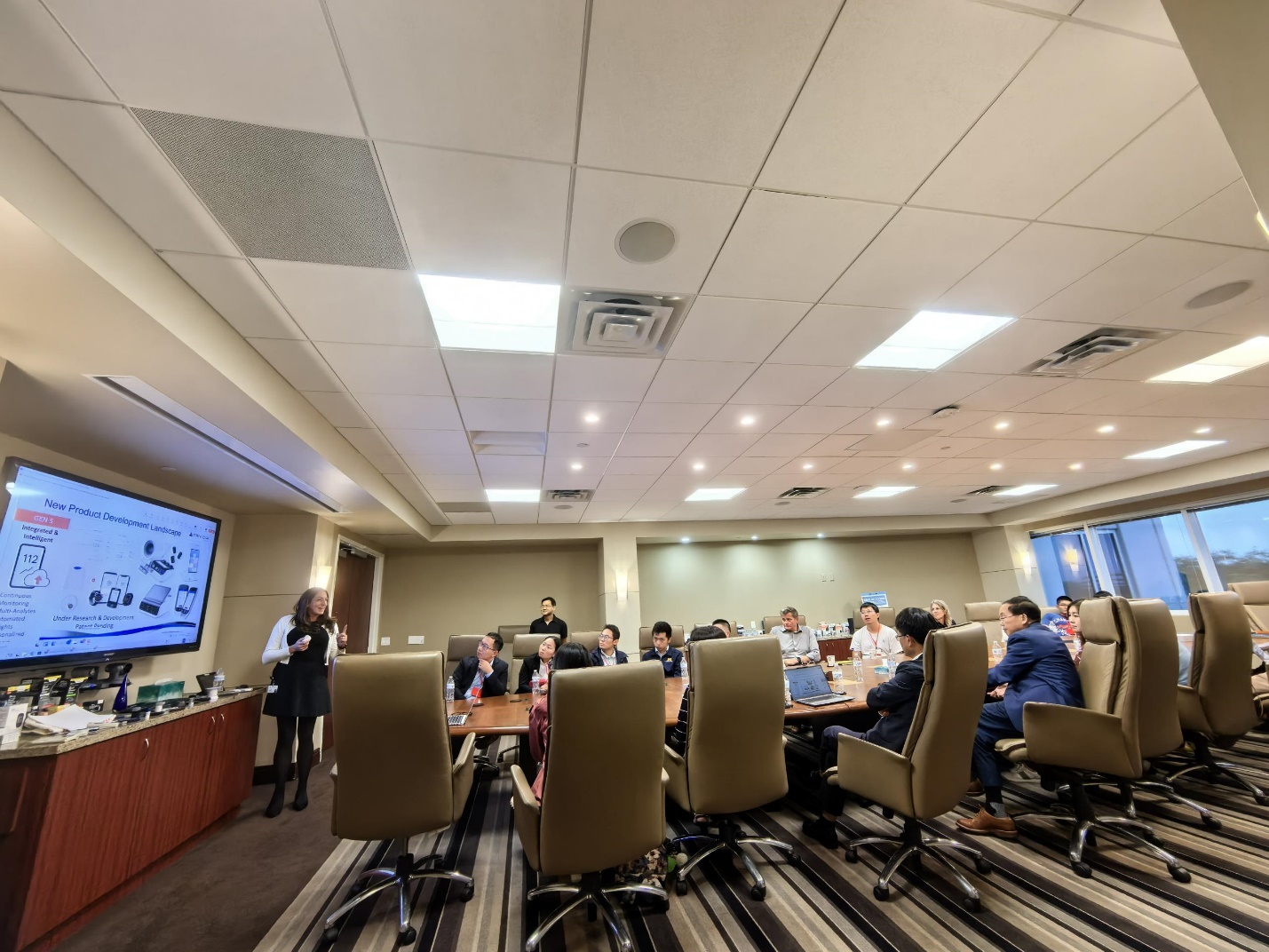
Professor Chen Yuqing from the University of Michigan reviewed the founding background of the MD+PhD program and thanked the Sinocare Foundation for its long-term and generous support. He noted that the program will continue to cultivate innovative physician-scientists with global vision to contribute to medical and health development in China and beyond. Huang Yan, Director of the Asia Affairs Office at U-M Medical School, expressed continuous support for the construction and development of the bilateral medical education and research exchange platform.
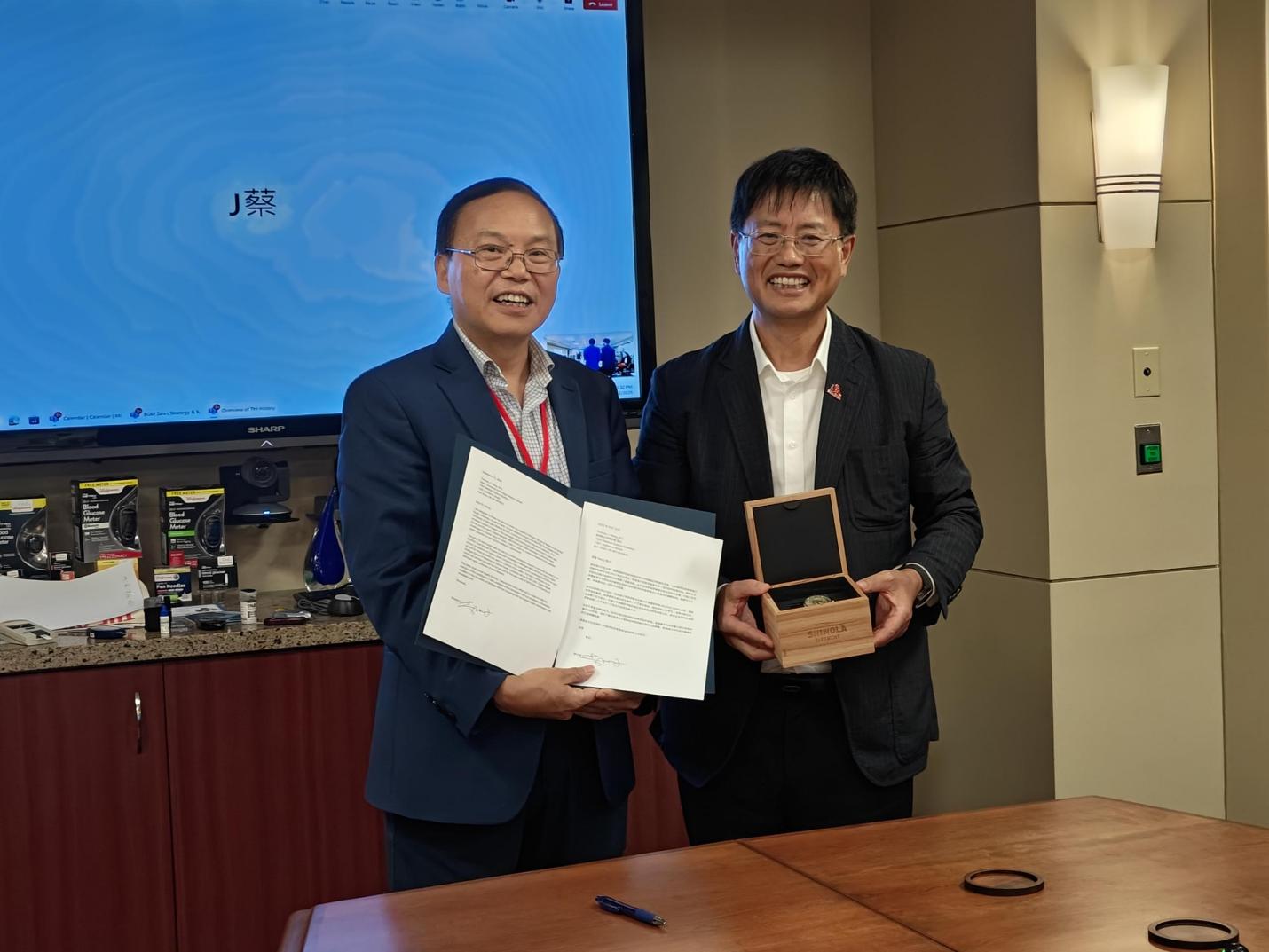
On behalf of Sinocare and its subsidiaries, Chairman Li Shaobo welcomed the delegation and encouraged the students to “study diligently and accumulate strength for future medical innovation.” He confirmed that the Sinocare Foundation will continue supporting the program and renew a five-year donation agreement with the CSU Education Foundation. Bin Zhao, Senior Director of International Development Programs at the University of Michigan, extended sincere thanks for the foundation’s generous sponsorship and presented commemorative gifts to Li Shaobo and Li Xinyi. Professor Chen Yuqing and Chairman Li Shaobo jointly encouraged the students: “Dare to imagine, dare to practice, stay true to your original aspiration, and keep exploring together!”
The visit enabled Xiangya students to witness the world-leading technological strength and innovative spirit of a global medical enterprise and recognize the profound value of in-depth integration between scientific research and industrial application. Students stated that they would transform what they have learned into motivation for future scientific and clinical innovation, striving to translate medical research outcomes into tangible benefits for patients. As student Huang Shengyuan commented, “The continuous evolution from BGM to CGM and further to CXM has made me deeply aware of the enterprise’s competitiveness and capacity for keeping pace with the times, reminding me of the importance of lifelong learning and continuous self-improvement.”
It is reported that the Hunan Sinocare Diabetes Charitable Foundation launched the “CSU Sinocare Study Abroad Fund” at Xiangya School of Medicine in 2019 with a donation of CNY 10 million, supporting students from the eight-year clinical medicine program to pursue doctoral studies at the University of Michigan. In 2025, the foundation renewed its cooperation with the CSU Education Foundation, committing an additional donation of CNY 9.9 million to support university education. The ongoing initiative aims to advance industry-university-research innovation, cultivate a new generation of globally minded physician-scientists, and empower medical technological progress and public health development.
First Reviewer: Li Ruijun; Second Reviewer: Li Xuejun; Final Reviewer: Huang Gengwen;Translator: Zeng Xiangni



