A total of 88 young medical practitioners and students from China and the US participated. Chinese delegates were mainly from top domestic medical institutions including Peking Union Medical College Hospital and Peking University People’s Hospital, as well as Xiangya School of Medicine, Central South University. US participants came from prestigious universities and medical centers such as Harvard University, Yale University and the University of Michigan.
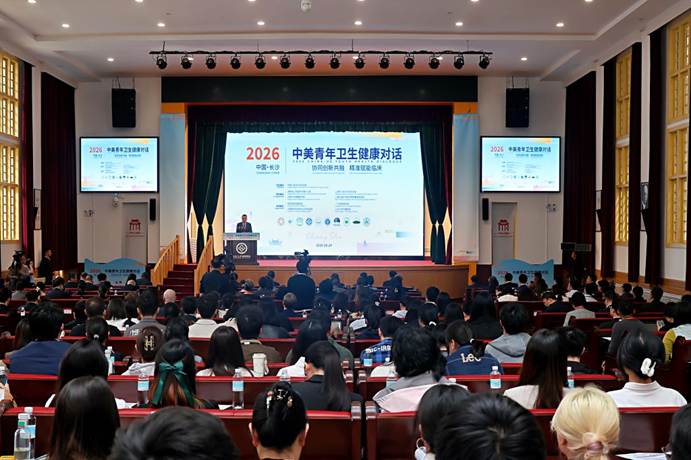
The opening ceremony of the dialogue kicked off on the afternoon of April 24 at Fuqing Auditorium, Kaifu Campus of Central South University. Guided by the vision that “Medicine Has No Borders”, the event aims to deepen China-US youth cooperation in healthcare and jointly advance the building of a Global Community of Health for All. Chinese and American medical experts and young scholars held academic dialogues and thematic sharing sessions covering cutting-edge trends and innovative practices in health and medicine.
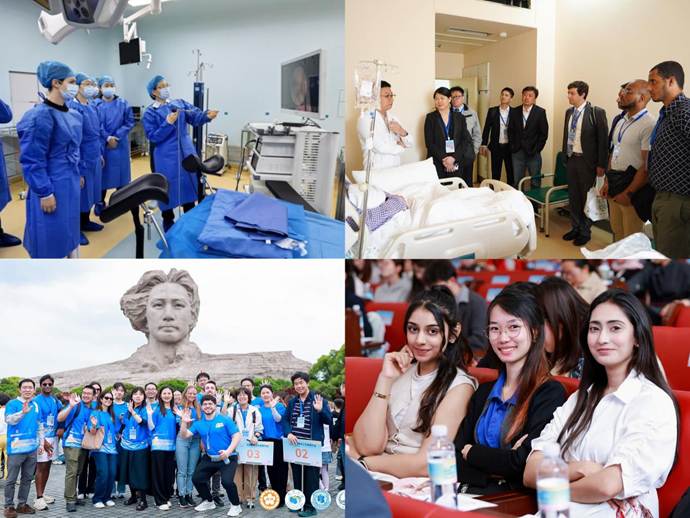
During their stay in Hunan, Chinese and American young medical professionals roamed Orange Island for free discussions on innovative clinical diagnosis and treatment, transformations in medical education, chronic disease management and public health. They visited the Xiangya History Corridor and Furong Laboratory to learn about the century-long heritage and latest research advances of Hunan’s medical industry. The group also went to the frontline clinical departments of the three affiliated hospitals of Central South University to carry out case seminars and teaching ward rounds focusing on frontier research topics. In addition, they paid a visit to Sinocare Inc., an alumni-founded enterprise, to investigate innovative practices of Hunan’s medical and health industry.
Keynote & Thematic Presentations
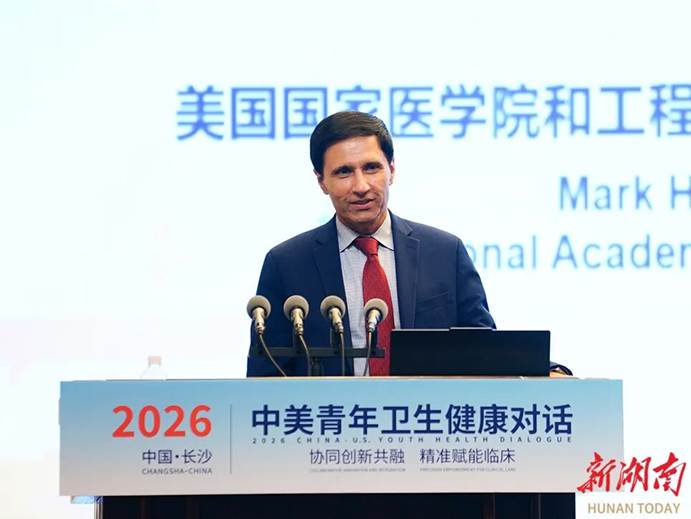
Professor Mark S. Humayun, Member of both the National Academy of Medicine and National Academy of Engineering of the United States, and Dean of the USC Institute for Biomedical Therapeutics, delivered a keynote speech titled Retinal Diseases and Retinal Implant Prostheses — Applications of Brain-Computer Interfaces. He systematically presented clinical outcomes of IMIE 256, a new-generation artificial retinal implant featuring higher safety, simpler surgical procedures and superior vision restoration effects, representing the latest breakthrough in global vision restoration for blindness. He also reviewed worldwide progress in blindness treatment and vision repair technologies as well as China-US collaboration in this field. As the world’s first ophthalmologist elected to both US national academies, Professor Humayun received the US National Medal of Technology and Innovation in 2015. He remarked, “Cooperation with Hunan has been efficient and fruitful, and this dialogue has shown me the great potential of young generations.”
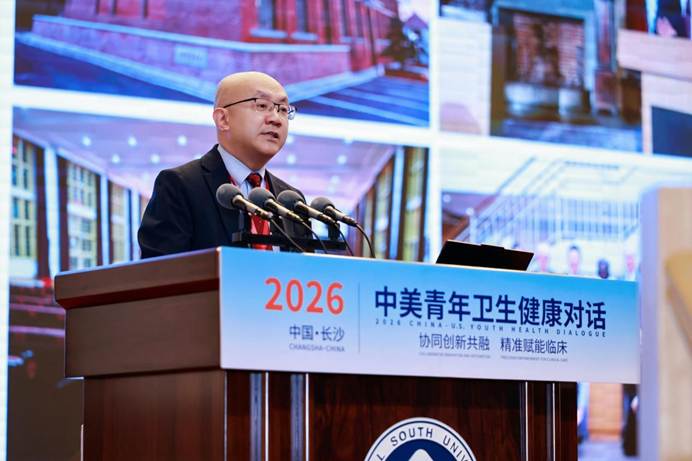
Professor Li Xuejun, Vice Dean of Xiangya School of Medicine and Neurosurgeon at Xiangya Hospital, delivered a presentation entitled Dr. Yan Fuqing Through My Eyes: Reflections from a Xiangya Neurosurgeon. He recounted Dr. Yan Fuqing’s extraordinary life journey — becoming Yale School of Medicine’s first Asian graduate in 1909 and founding the Xiangya medical education system in 1914. Drawing on decades of personal experience and China-US exchange cases, he elaborated on Dr. Yan’s open, collaborative and innovative philosophy for international medical communication. Professor Li pointed out that facing global public health challenges, medical workers from China and the US should uphold the original aspiration of “practicing medicine for the people”, facilitate knowledge exchange, build mutual trust and work hand in hand to safeguard global health through international collaboration.
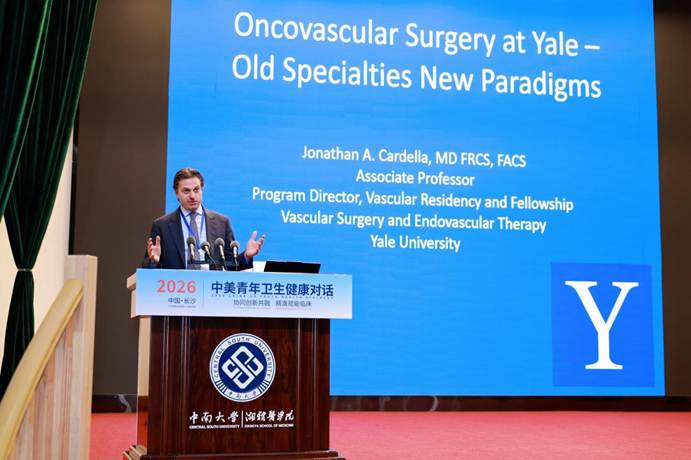
Associate Professor Jonathan A. Cardella, Vascular Surgeon at Yale University, put forward the novel concept of “Oncologic Vascular Surgery”. He advocates deep interdisciplinary collaboration between pancreatic surgery, urology, gynecologic oncology, orthopedics and vascular surgery to complete resection of complex tumors invading large blood vessels together with vascular reconstruction. Through clinical cases such as pancreatoduodenectomy combined with celiac trunk resection and aortic replacement with nephrectomy, he vividly illustrated how multidisciplinary teamwork converts previously unresectable tumors into operable ones.
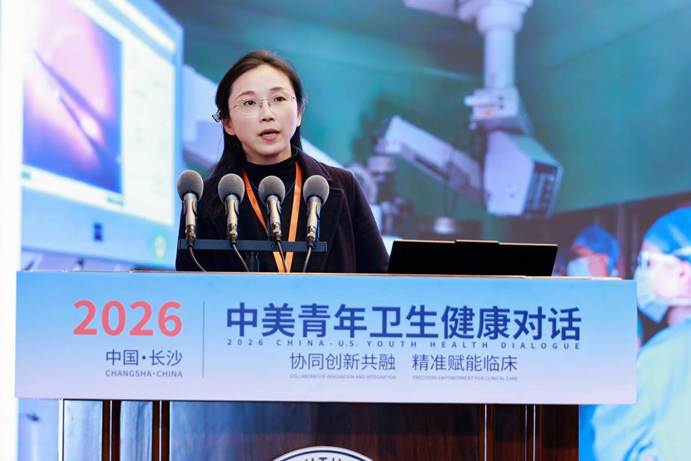
Professor Li Yun, Deputy Director of the Ophthalmology Center, The Second Xiangya Hospital, shared the outcomes of the international medical aid program “Brightness Action”. Her team has carried out cataract surgeries and ophthalmology training in Sierra Leone, the Bahamas, Sudan, Malawi and other countries, screening thousands of patients and performing hundreds of operations. They have also trained local medical staff and built sustainable local ophthalmic service systems. Her speech themed “Fighting for Brightness” demonstrated Xiangya Ophthalmology’s international responsibility.
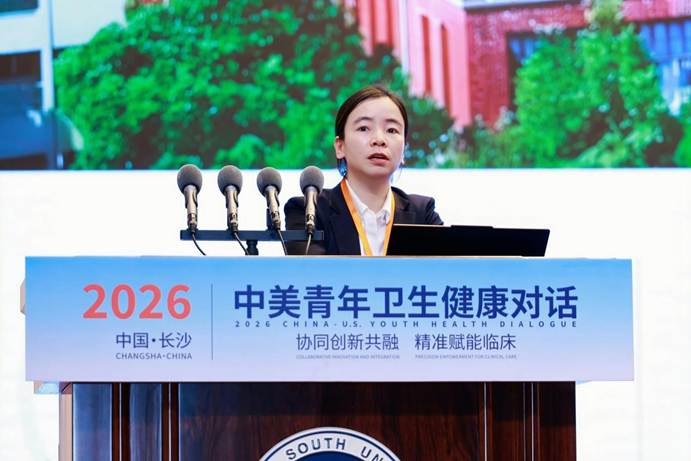
Professor Wu Liwen, Vice President of the Children’s Hospital of Xiangya School of Medicine, presented The Journey of a Pediatric Neurologist, sharing her experience in the diagnosis and treatment of pediatric rare diseases, including the inspiring story of the world’s first successful treatment of congenital myasthenic syndrome using pseudoephedrine.
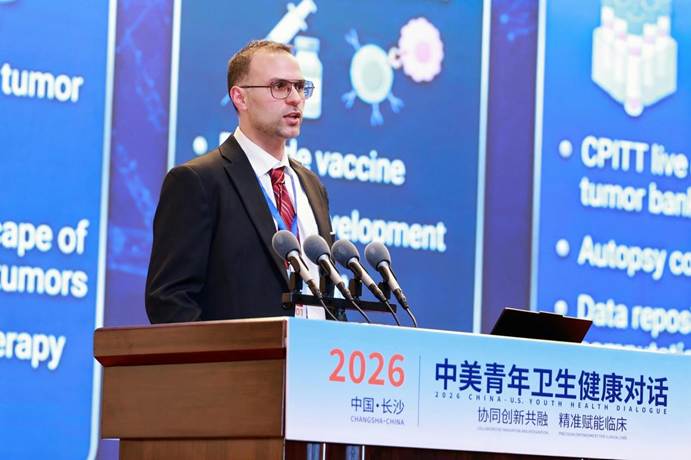
Assistant Professor Gary Kohanbash, Neurosurgeon at the University of Pittsburgh, focused on novel immunotherapy strategies for neuro-oncology. Targeting CD11b+ tumor-associated myeloid cells, which account for over 30% of the mass of glioblastoma, his team developed radionuclide therapy targeting the CD11b marker.
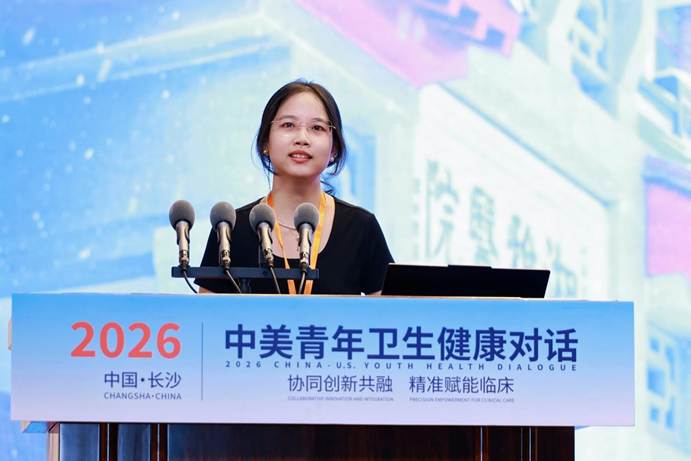
Dr. Xiao Wenqin, Research Assistant at the Department of Dermatology, Xiangya Hospital, shared research on metabolic regulatory mechanisms of rosacea. Her metabolomics study identified significant abnormalities of serum metabolites including α-ketoglutarate, glutamic acid and aspartic acid in patients with rosacea.
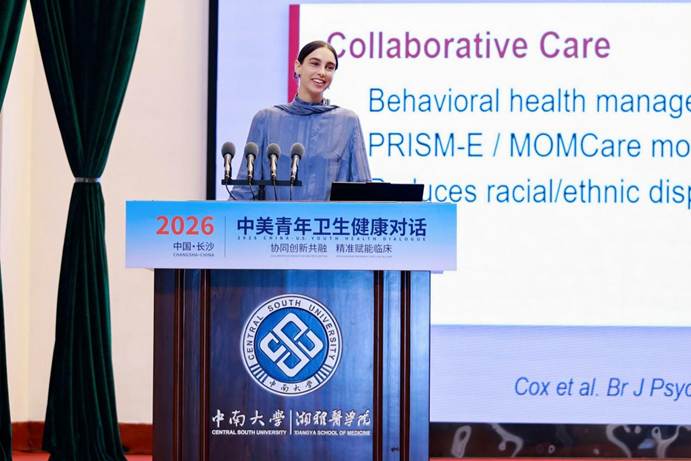
Dr. Ashley Andreou, Psychiatry Resident at NewYork-Presbyterian Hospital, systematically introduced screening tools and digital cognitive behavioral therapy interventions for a spectrum of mental health conditions, including postpartum depression, PTSD, OCD, anxiety, premenstrual dysphoric disorder, infertility-related psychological disorders and perimenopausal mental disorders.
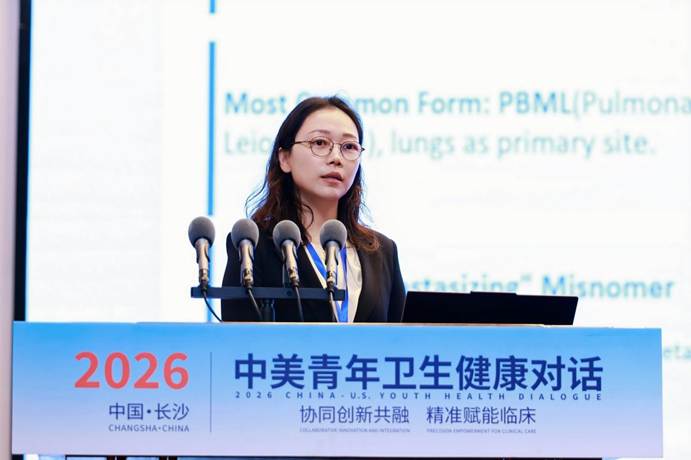
Professor Fan Rong, Associate Chief Physician of the Department of Obstetrics and Gynecology, Peking Union Medical College Hospital, reported clinical characteristics of benign metastasizing leiomyoma and treatment with the mTOR inhibitor sirolimus. Whole-exome sequencing further revealed homologous recombination deficiency mutation signatures in metastatic lesions.
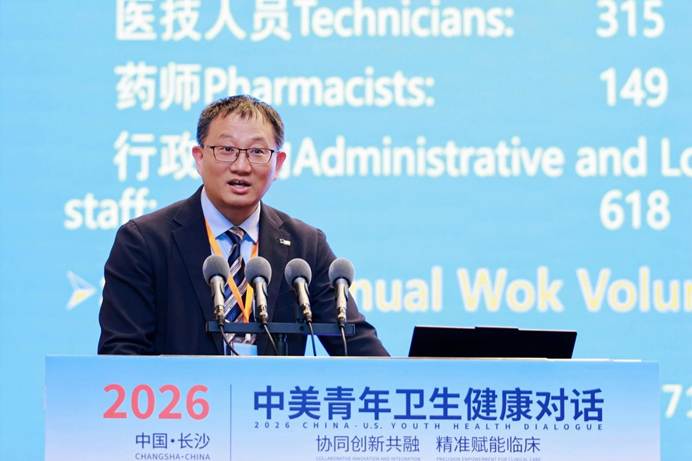
Professor Zhang Yaonan from Beijing Hospital demonstrated a stepwise, minimally invasive and intelligent treatment system for knee osteoarthritis, as well as applications of AI rehabilitation systems and robotic surgery.
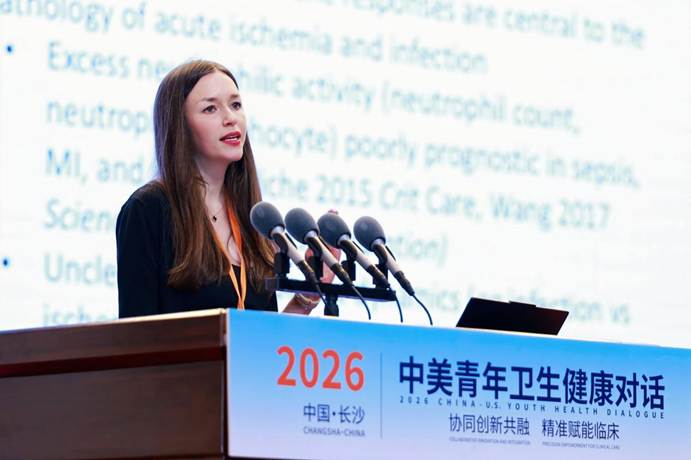
Dr. Sylvia Ranjeva, Attending Physician in Critical Care Medicine at Beth Israel Deaconess Medical Center, Harvard University, used mathematical modeling to discover that acute myocardial infarction patients with infection-like rapid leukocyte elevation or increased immature granulocyte ratios face significantly higher short-term mortality.
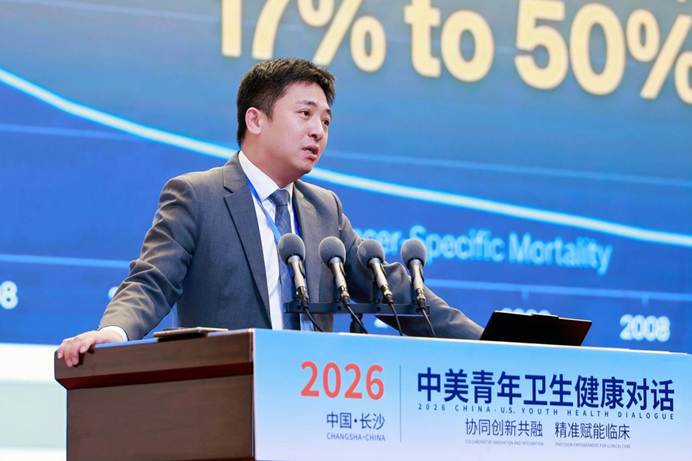
Professor Gu Di, Deputy Director of the Department of Urology, The First Affiliated Hospital of Guangzhou Medical University, discussed the prostate cancer screening paradox. Drawing lessons from 30 years of policy fluctuations in the United States, he offered suggestions for relevant strategy formulation in China.
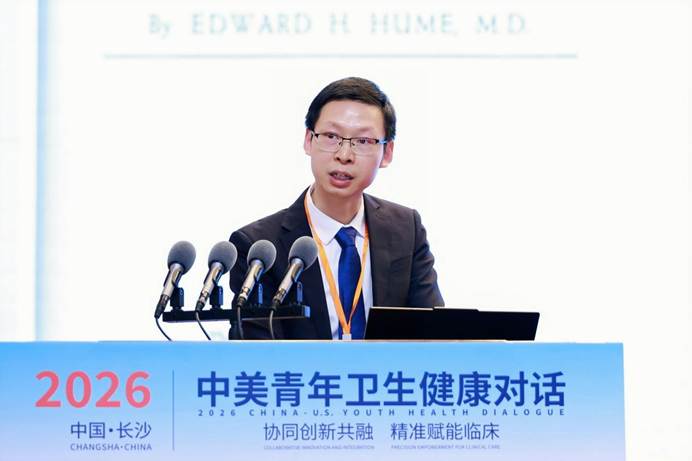
Professor He Jinshen, Deputy Director of the Medical Affairs Department, The Third Xiangya Hospital, shared his training experience in sports medicine at the University of Pittsburgh and the introduction of innovative technologies back to China.
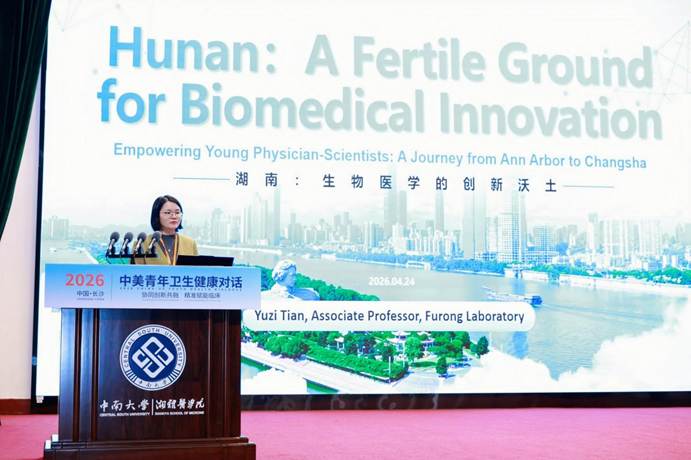
Dr. Tian Yuzi, Associate Research Fellow at Furong Laboratory, recounted her academic growth rooted in Hunan’s biomedical innovation ecosystem, covering her research journey from the University of Michigan to Xiangya, as well as the platform development of Furong Laboratory.
This China-US Youth Health Dialogue boosted in-depth integration of cutting-edge medical concepts, technological achievements and clinical experience between China and the US. It broadened the global vision and strengthened collaborative awareness of young medical talents, injecting youthful momentum into pragmatic China-US health cooperation, the advancement of Healthy China Initiative and the construction of a Global Community of Health for All.
First Reviewer: Li Xuejun
Second Reviewer: Li Ruijun
Final Reviewer: Huang Gengwen



