On the afternoon of May 25, 2025, the Symposium on Critical Care Physician Training, hosted by the Department of Critical Care Medicine, Xiangya School of Medicine, Central South University, was successfully held at the Xiaoqian Building. More than 30 renowned domestic and international experts in critical care medicine, medical education and hospital management gathered to conduct in-depth discussions on standardized training pathways for critical care physicians.
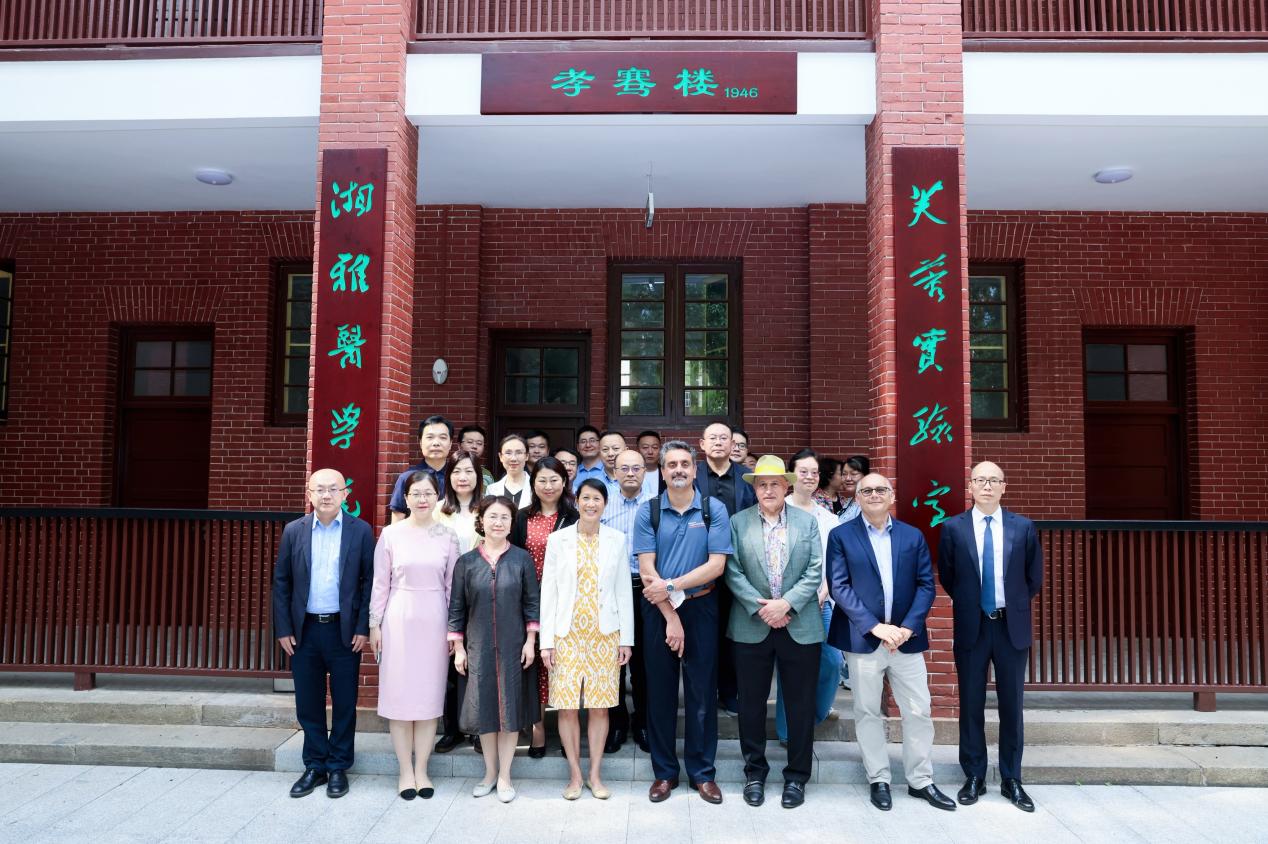
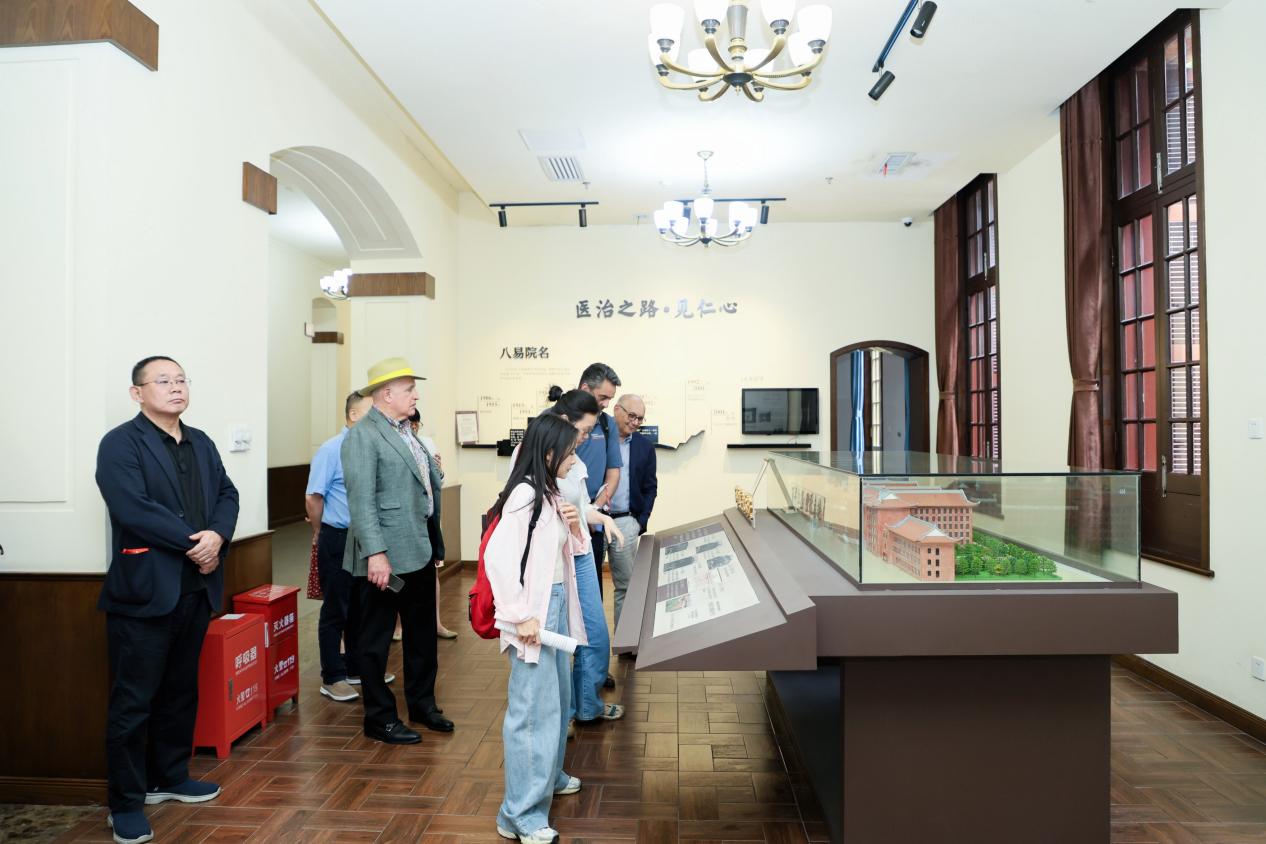
The symposium invited top international academic leaders, including Professor Jose L. Pascual, President of the Society of Critical Care Medicine (SCCM) and Director of Critical Care Medicine at the University of Pennsylvania; Professor Cherylee W. J. Chang, SCCM President-Elect and Director of Neurocritical Care at Duke University School of Medicine; Professor Jonathan Sevransky, Editor-in-Chief of Critical Care Medicineand faculty member of Emory University School of Medicine; Professor Arthur R. H. van Zanten, President of the European Society of Intensive Care Medicine (ESICM) and Director of Critical Care Medicine at Gelderse Vallei Hospital, the Netherlands; and Professor Giuseppe Citerio, former ESICM President, former Editor-in-Chief of Intensive Care Medicine, and faculty member of the School of Medicine and Surgery, University of Milano-Bicocca, Italy.
Domestic attendees included Professor Li Xuejun, Vice Dean of Xiangya School of Medicine; Professor Qian Zhaoxin, Vice President of Xiangya Hospital; Professor Lv Ben, President of the Second Xiangya Hospital; Professor Zuo Xiaocong, Vice President of the Third Xiangya Hospital; Professor Ouyang Yang, Director of the Medical Education Office of Xiangya Hospital; Professor Ai Yuhang, Chief Expert of the Department of Critical Care Medicine, Xiangya Hospital; Professor Zhang Lina, Department Chair of Critical Care Medicine, Xiangya Hospital; Professor Li Jinxiu, Department Chair of Critical Care Medicine, the Second Xiangya Hospital; Professor He Zhihui, Department Chair of Critical Care Medicine, the Third Xiangya Hospital; Professor Chen Fei, Department Chair of Critical Care Medicine, Hunan Cancer Hospital; Professor Li Jinghui, Zeng Weizhong, Gui Chunmei and Huang Kang, respective Directors of Critical Care Medicine at Xiangya Affiliated Haikou Hospital, Zhuzhou Hospital, Changde Hospital and Changsha Hospital; and Professor Liu Jinfang, Director of Neurosurgical ICU, Xiangya Hospital, together with faculty members, young physicians and student representatives.
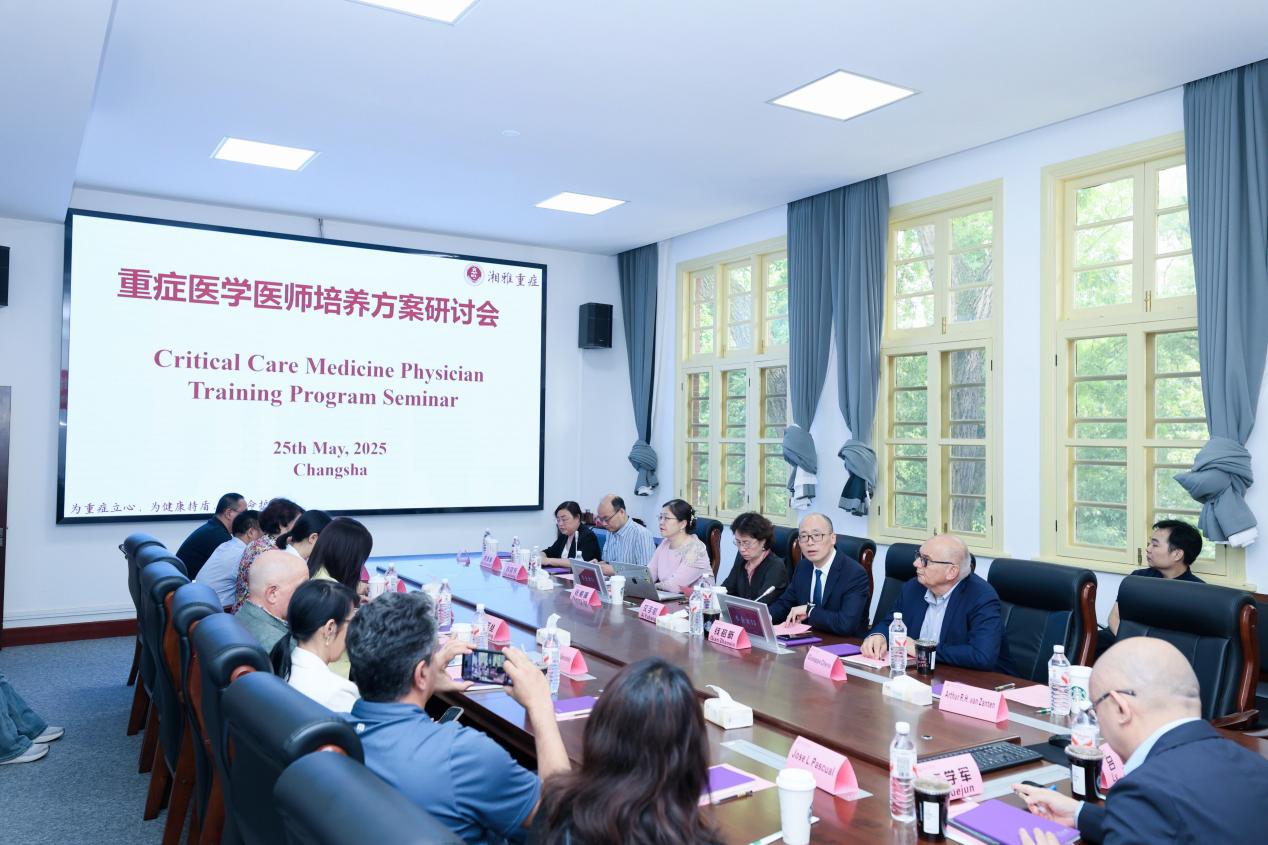
Chaired by Professor Qian Zhaoxin, the opening session began with remarks by Professor Li Xuejun. He extended a warm welcome to all experts and reviewed Xiangya’s long-standing tradition of international cooperation, interdisciplinary innovation and progressive education. He expressed hopes that the symposium would integrate Chinese and global experience, explore new models for critical care talent training, clinical practice and scientific research, and facilitate deeper international collaboration.
Professor Zhang Lina, the founding Chair of the Department of Critical Care Medicine, delivered a keynote speech entitled Reflections on Critical Care Physician Training. She systematically outlined the developmental history and current training models of critical care medicine in China, shared Xiangya’s phased training experience and the innovative “5+3+X” talent cultivation framework, and proposed future optimization strategies for critical care education. She highlighted the department’s standardized training system covering 11 core competencies for critical care physicians, as well as its progress in AI-enabled intelligent critical care construction, which won high recognition from all experts. Subsequently, Professor Cherylee W. J. Chang and Professor Arthur R. H. van Zanten respectively introduced the standardized critical care training systems in the United States and Europe.
The roundtable discussion focused on three core themes. On whether critical care medicine should be listed as a compulsory undergraduate course, Professor Giuseppe Citerio cited European practices and suggested embedding fundamental critical care knowledge into clinical curricula. Professor Jose L. Pascual emphasized that early exposure to critical care disciplines helps foster holistic clinical thinking among medical students, sparking heated academic discussion.
In terms of educational resource integration, Professor Arthur R. H. van Zanten presented data on grassroots resource shortages and proposed building regional teaching alliances to share curricula and faculty resources and bridge educational gaps. Regarding improved teaching efficiency and competency cultivation, Professor Lv Ben put forward a three-dimensional evaluation system integrating teaching, clinical practice and scientific research.
All experts acknowledged that artificial intelligence can effectively empower medical teaching, but stressed that physicians’ dominant clinical status must be maintained to avoid weakened clinical reasoning capability. A broad consensus was reached on “human-machine collaborative education”. During the two-hour in-depth exchange, Chinese and international experts delivered forward-looking strategies and practical implementation plans, pooling global wisdom to support the reform of undergraduate critical care medical education.
The symposium yielded key consensus outcomes: advancing early-stage critical care literacy by setting modular compulsory courses at the undergraduate level; building cross-regional and international faculty exchange mechanisms while developing unified standardized training textbooks and assessment systems; and exploring AI application scenarios in teaching to construct intelligent simulation training platforms.
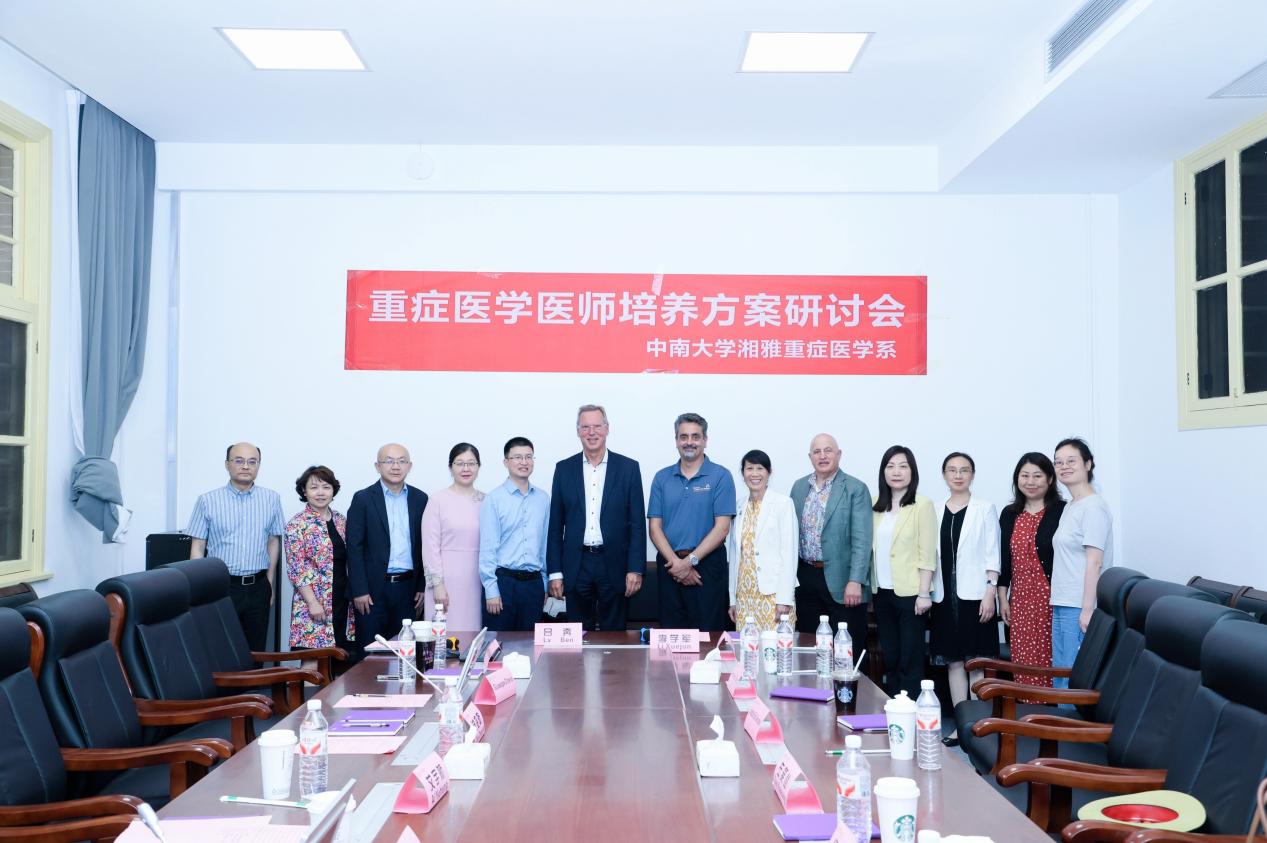
The symposium marks a global-oriented and practice-driven exploration by Xiangya’s Department of Critical Care Medicine to upgrade talent cultivation quality. Experts noted that undergraduate education lays a fundamental foundation for critical care talent development. With policy support, global academic collaboration and optimized training mechanisms, the discipline will cultivate more high-caliber critical care professionals, continuously fuel the high-quality development of critical care medicine in China, and strengthen the protection of people’s life and health.
Source: Department of Critical Care Medicine, Xiangya School of Medicine, Central South University
First Reviewer: Cheng Wenwei
Second Reviewer: Li Ruijun
Final Reviewer: Liu Hong
Translator: Zeng Xiangni



